Maintaining strict privacy during the preliminary stages of a company transition is essential for protecting goodwill. When you begin compiling materials for an eventual corporate handover, keeping details under wraps helps prevent competitors, employees, and clients from reacting prematurely. A leak during the early phases of preparing your business records can disrupt day-to-day operations and raise customer-retention questions, which can affect buyer confidence. Managing files securely is not just a matter of convenience; it is a practical defense for the equity you have built.
Understanding the Risks of Premature Exposure
To support a secure transfer of ownership, owners should limit sensitive data exposure before formal discussions occur. An open information policy can be useful for operations, but it creates risk when you are planning an exit. If employees suspect a sale, key staff might start seeking employment elsewhere, causing operational instability. If competitors find out, they may try to poach your accounts by raising questions about the future stability of your firm. By managing your confidential preparation records behind closed doors, you maintain control of the narrative and preserve the integrity of your customer relationships.
In addition to operational protection, maintaining privacy gives you negotiating leverage. A potential buyer who knows you are shopping the company under pressure can use that information to adjust their offer or push for unfavorable terms. By controlling when and how details are disclosed, you signal that the transaction is a strategic move from a position of strength, not a rushed exit. To understand how to manage this balance in Indiana’s market, it is vital to review proper guidance on selling an Indiana business before any external inquiries occur.
Categorizing Confidential Records for Pre-Sale Prep
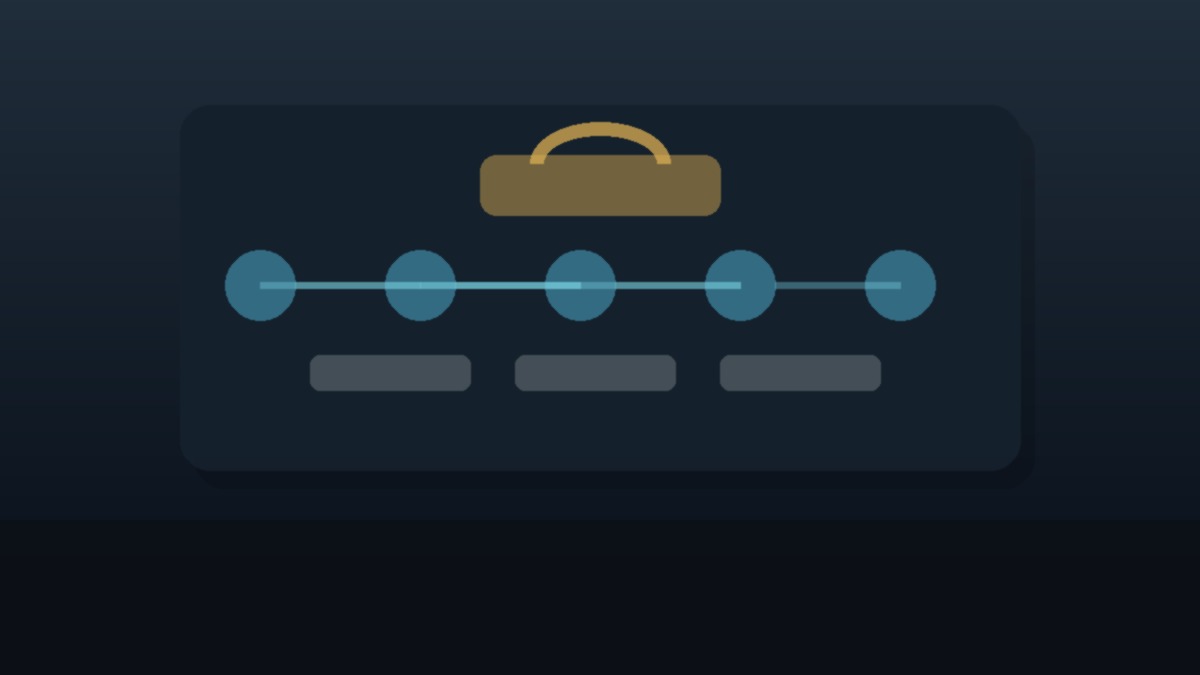
Not all business records carry the same level of risk. When organizing files, you should categorize them into distinct tiers based on sensitivity. Tier 1 consists of highly sensitive records that should only be revealed after a buyer has demonstrated serious intent and signed an agreement. This tier includes customer identities, specific pricing agreements, proprietary software source code, and employee compensation files. Tier 2 records are moderately sensitive financial statements, tax filings, and standard operating procedures, which can be shared later in the due diligence process under controlled environments. Tier 3 includes public-facing marketing materials and basic service listings.
Developing a document log is a practical way to track these files. By labeling files and keeping them in a secure registry, you can control who has access to which category of information. During this preparation phase, owners should research tools for secure document distribution. For example, understanding how digital tools manage privacy can be compared to looking at local weather tools location privacy and how they handle user tracking. Similarly, you should confirm that your data sharing platforms do not expose metadata or location details when transmitting files to prospective buyers.
Securing Digital Communication Channels and Research Logs
Many owners use company email addresses or standard shared network folders to research sale options and communicate with advisors. This creates unnecessary security risk. If a system administrator or an employee with access to the company domain notices sale-related messages, confidentiality can be compromised. Set up dedicated, secure communication channels outside your primary business network. Use a private email address and secure messaging platforms to communicate with legal counsel, accountants, and exit consultants.
Furthermore, any web research you conduct should be kept private. When searching for potential buyers, studying industry competitors, or reviewing market trends, reduce the chance that search queries are tracked or tied back to your company’s IP address. Privacy-focused browsers, virtual private networks, and careful search habits can help protect your research trail. For broader context on how digital workspaces can leak credentials or administrative details during software audits, review these guidelines on verifying saas discounts safely workspace security. Applying similar security hygiene to your pre-sale research helps keep your intellectual property and strategic intentions confidential.
Drafting and Enforcing the Non-Disclosure Agreement

A Non-Disclosure Agreement is commonly one of the earliest safeguards in a pre-sale discussion. Before a potential buyer receives any Tier 1 or Tier 2 records, work with the appropriate professional advisors to define what information is confidential and how it can be used. A strong process should clarify that shared data is for evaluating a potential acquisition, set boundaries around contacting employees, customers, or suppliers, and describe how documents should be returned or destroyed if discussions fall through.
An NDA is only as strong as your ability to monitor compliance. To prevent accidental leaks, utilize a virtual data room (VDR) that allows you to disable printing, downloading, and copying functions for sensitive files. A high-quality VDR provides audit logs showing exactly who accessed which file and for how long. This level of control is crucial when sharing details with external parties, as it provides a clear record of compliance and acts as a deterrent against unauthorized sharing of your proprietary data.
Managing Employee and Vendor Boundary Controls
Your team members and key vendors are vital to your daily operations, but they do not need to know about a potential transition until the transaction is near completion. Discussing a sale too early can lead to anxiety, rumors, and loss of productivity. When gathering the necessary financial and operational records from your staff, frame the request as part of a routine internal audit, a system migration, or a standard year-end review. This keeps the workload normal and avoids raising suspicion among team members who may not be ready for change.
If you need key managers to compile specific data, do so under clear confidentiality guidelines. Limit the group to essential personnel and use internal confidentiality agreements when your advisors recommend them. Establish communication boundaries so that employees do not speak with outside parties about business health or operational changes without approval. Maintaining this boundary control protects your team from unnecessary stress while preserving the business’s day-to-day stability. For guidance on how to quietly evaluate market conditions and potential buyers without alerting the public, refer to this strategy on confidential exit planning how owners can research buyers without tipping off the market.
Knowing When to Partner with a Professional Advisory Team
Preparing confidentiality records and organizing sensitive documents requires a significant amount of time and effort. Trying to handle this alone while managing the daily operations of a business can pull attention away from the company and increase the risk of data leaks. Partnering with a professional advisory team allows you to delegate the coordination of document prep and communication boundaries. Brokers and advisors act as intermediaries, filtering initial inquiries, verifying buyer credentials, and helping sensitive data stay behind the right protections until a buyer is properly qualified.
An experienced broker can market your company under a blind profile, describing its financial characteristics and industry without revealing its name or location. This ensures that only pre-qualified buyers who sign NDAs ever discover the identity of your business. By shifting the burden of communication and initial screening to a trusted advisor, you protect your business’s privacy, maintain operational consistency, and ensure that when the time comes, your transition is handled with the highest level of professional discretion.